
QR Code Type
Dynamic QR Codes
Create and manage Dynamic QR codes with editable destinations, scan analytics, targeting, scheduling and A/B testing. Update your link after printing and track performance in real time.
Dynamic QR Codes
What is a Dynamic QR Code?
A Dynamic QR code points to a short link you control. When scanned, QRUpp redirects visitors to your current destination and records scan events. You can change the target later without reprinting the code.
- Edit destinations any time while keeping existing print materials in use
- Measure scans with time, device and approximate location data
- Enable advanced behaviour like app linking, pixels, targeting and scheduling
- Run controlled A/B tests by splitting traffic between multiple destinations
How it works
- Your QR encodes a shortened link hosted by QRUpp.
- On scan, QRUpp logs the event and applies any rules you set (for example: scheduling, geo/device targeting, A/B split testing, app linking, UTM tagging or password checks).
- The visitor is then redirected to your current destination URL.
Create a Dynamic QR Code in QRUpp
- Log in to your account and click Links in the left-hand menu, then Create Link.
- Enter the URL of your target page.
- Select the domain name you wish to use for your shortened link*.
- Use advanced options such as App linking, Social Pixels, Scheduling, Targeting, A/B Split Testing, UTM Parameters and Password protection to control how and when your link behaves.
- Click Create to save your link.
- Click the three dots at the top right and choose Create QR.
- Customise your QR code using the same design options as a static URL QR code, then generate and download your file.
* A Dynamic QR code relies on a shortened link so that QRUpp can handle redirection, analytics and advanced functions. When scanned, the QR points first to the short link, allowing QRUpp to record scan data and then forward the user to your final destination URL.
If you just need a simple, permanent link without analytics or editing later, try a URL QR code instead.
Best uses
- Campaigns: update landing pages over time without reprinting.
- A/B testing: split or rotate destinations to compare performance.
- Targeting: mobile vs desktop, locations, languages.
- Scheduling: time-based redirects and seasonal updates.
- Retail & venues: swap menus, promotions, event info quickly.
- Maintenance: route traffic to status pages during outages.
- Multi-language: user-appropriate destinations.
Tips for effective Dynamic QR codes
- Use a branded short domain for trust.
- Always define a fallback destination.
- Use UTM parameters for analytics.
- Test on both iOS and Android.
- Document your rules for consistency.
Unlimited QR code scans – always
Example Output
Dynamic QR Code example
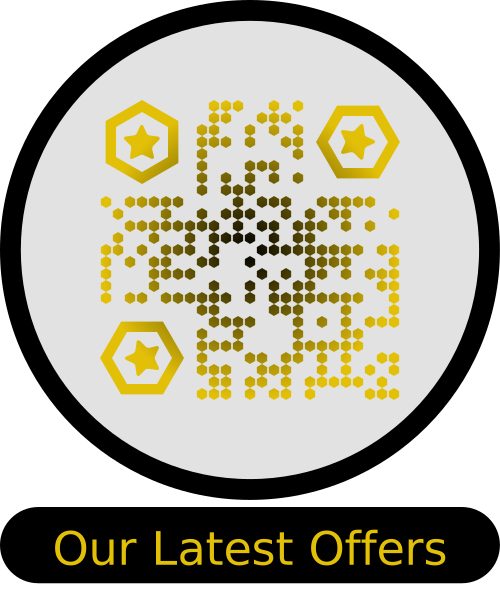
A sample Dynamic QR Code generated with QRUpp. For print, use a minimum size of 25–35 mm for reliable scanning.
FAQ
Dynamic QR Codes: FAQs
Static QR codes link directly to a fixed destination and cannot be changed once created. Dynamic QR codes use a redirect, allowing you to update the destination without reprinting the QR code.
Yes. You can update the destination URL at any time through your account. This makes dynamic QR codes ideal for campaigns, printed materials, and long-term use.
Yes. Dynamic QR codes allow you to track scans and monitor performance, helping you understand how your QR codes are being used.
Yes. Dynamic QR codes are ideal for printed materials because you can update the destination later without needing to reprint the code.
Yes. Dynamic QR codes require an account so you can manage, edit, and track them over time.
QR Code Types
Create QR codes for any use case
From simple links to payments and events, generate QR codes tailored to your needs.
Not sure which QR code you need? Read our complete guide to QR codes for business to understand how they work and when to use each type.
Get Started
Create your Dynamic QR Code in seconds
Open the Dynamic QR Code generator, customise your design, and download a print-ready QR code in just a few clicks.